Thought Leadership
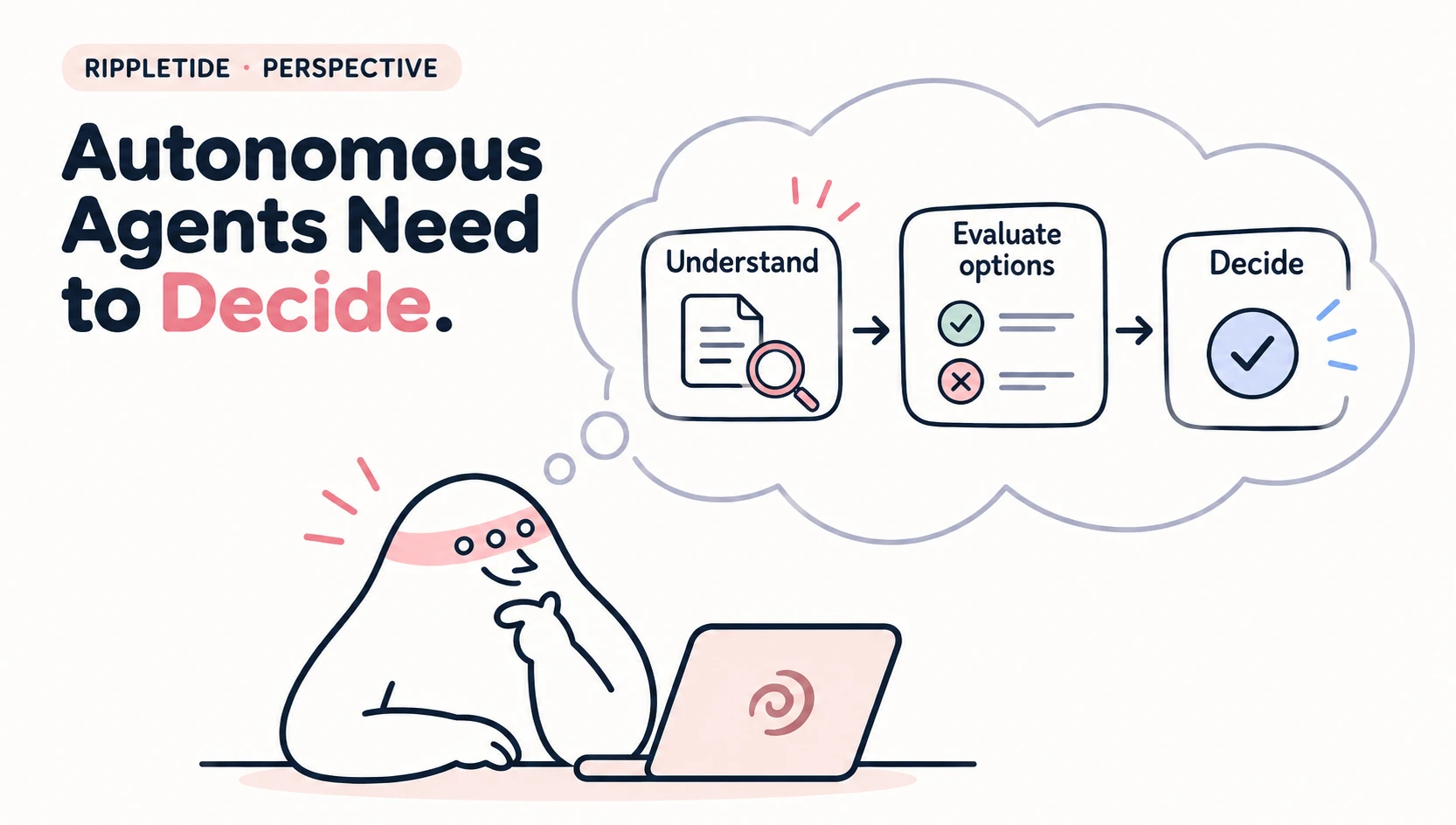
Autonomous Agents Need to Decide: The Category Is Decision Infrastructure
Why autonomous agents need code, judgment models, and causal reasoning to make reliable decisions, from customer support to root cause analysis.

From the Rippletide team
Research, evaluations, and engineering notes from the team building Rippletide.
Featured / Evaluation
Eight frontier models. One question: what changes when the agent gets a context graph?
42 articles
Why autonomous agents need code, judgment models, and causal reasoning to make reliable decisions, from customer support to root cause analysis.
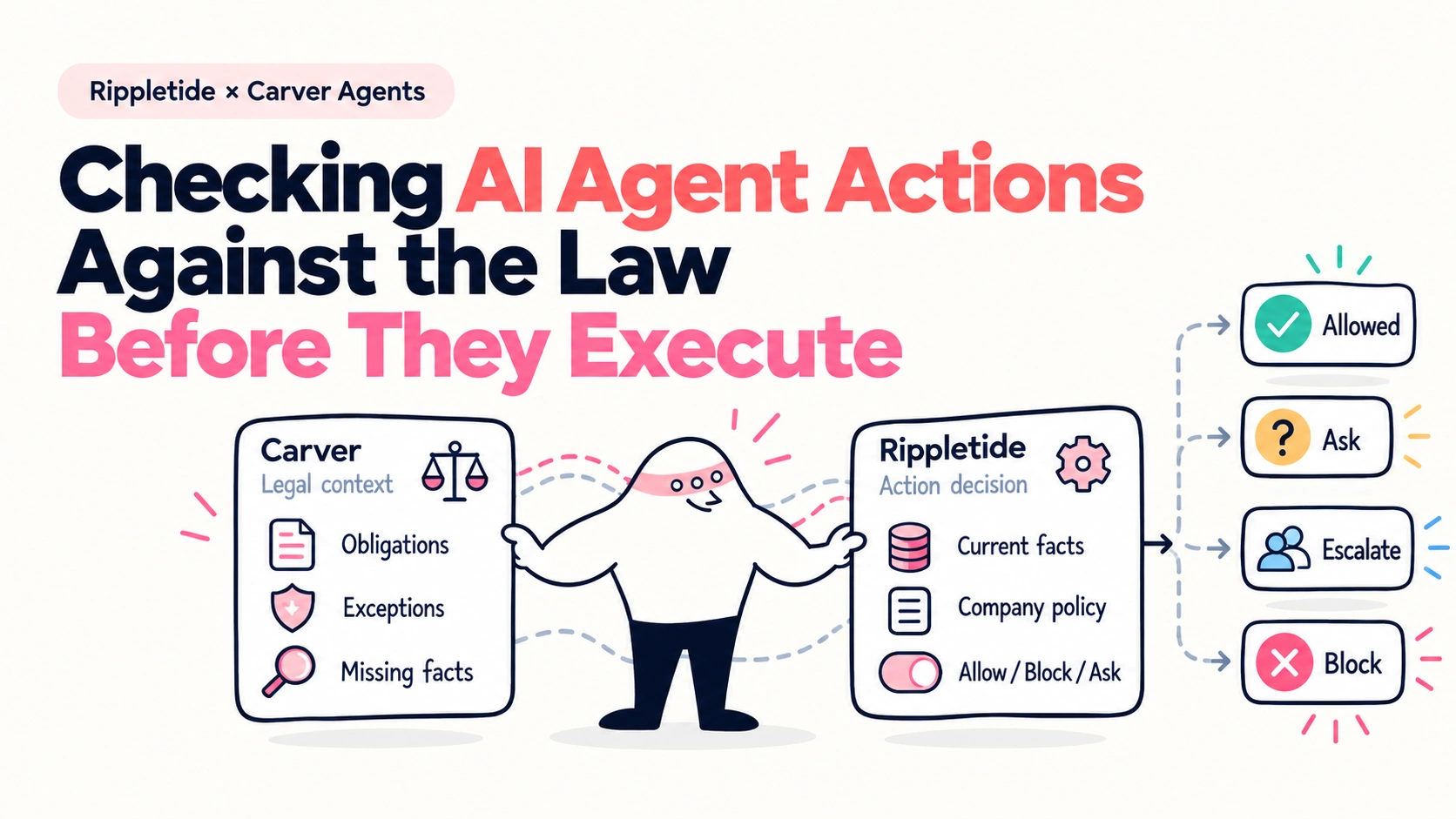
Carver Agents works out what the law requires of an AI agent. Rippletide uses it to decide on each action before it reaches a business system.
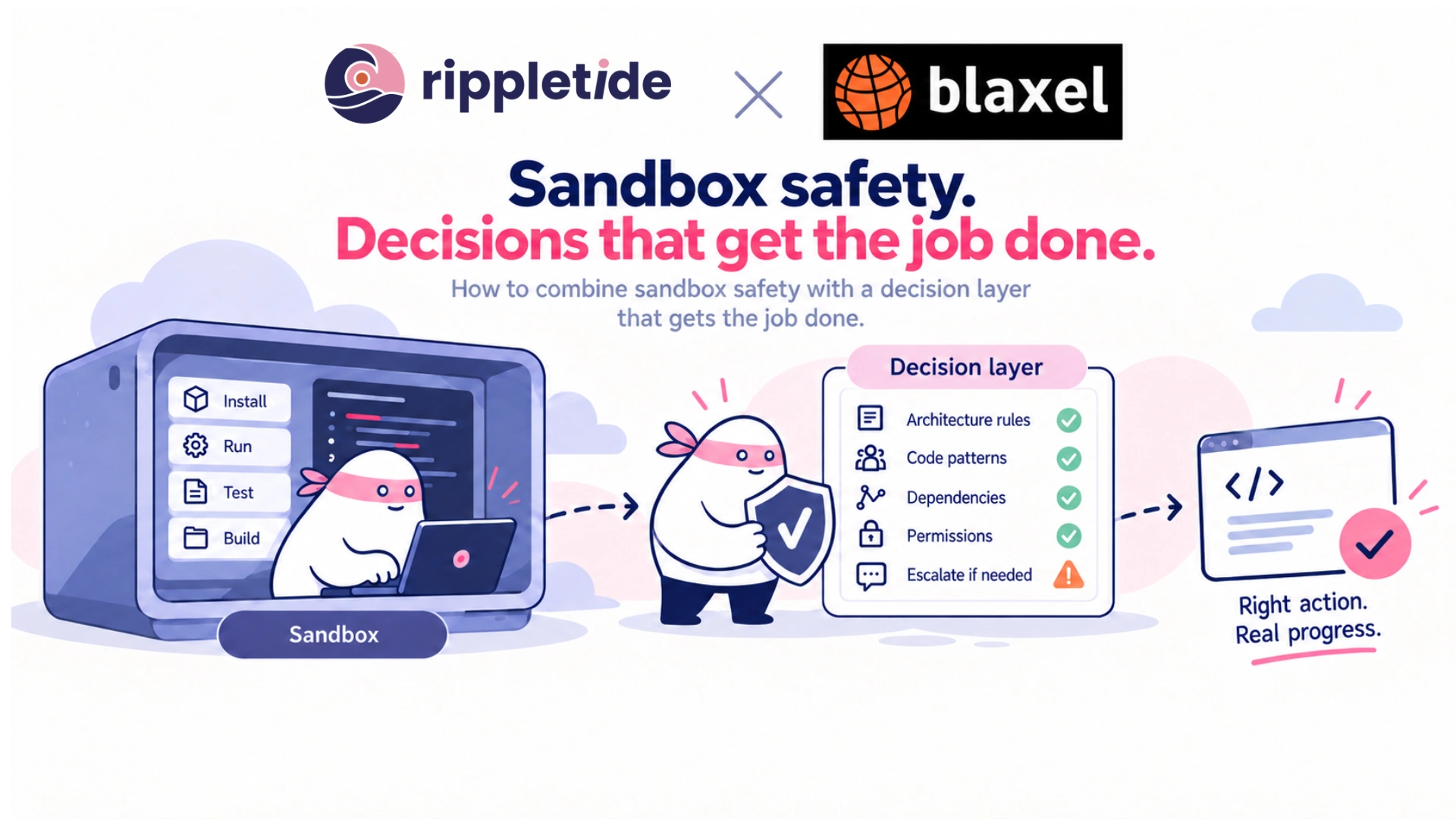
How sandboxed execution and a decision layer work together to help coding agents act safely, follow architecture rules, and ship the right change.
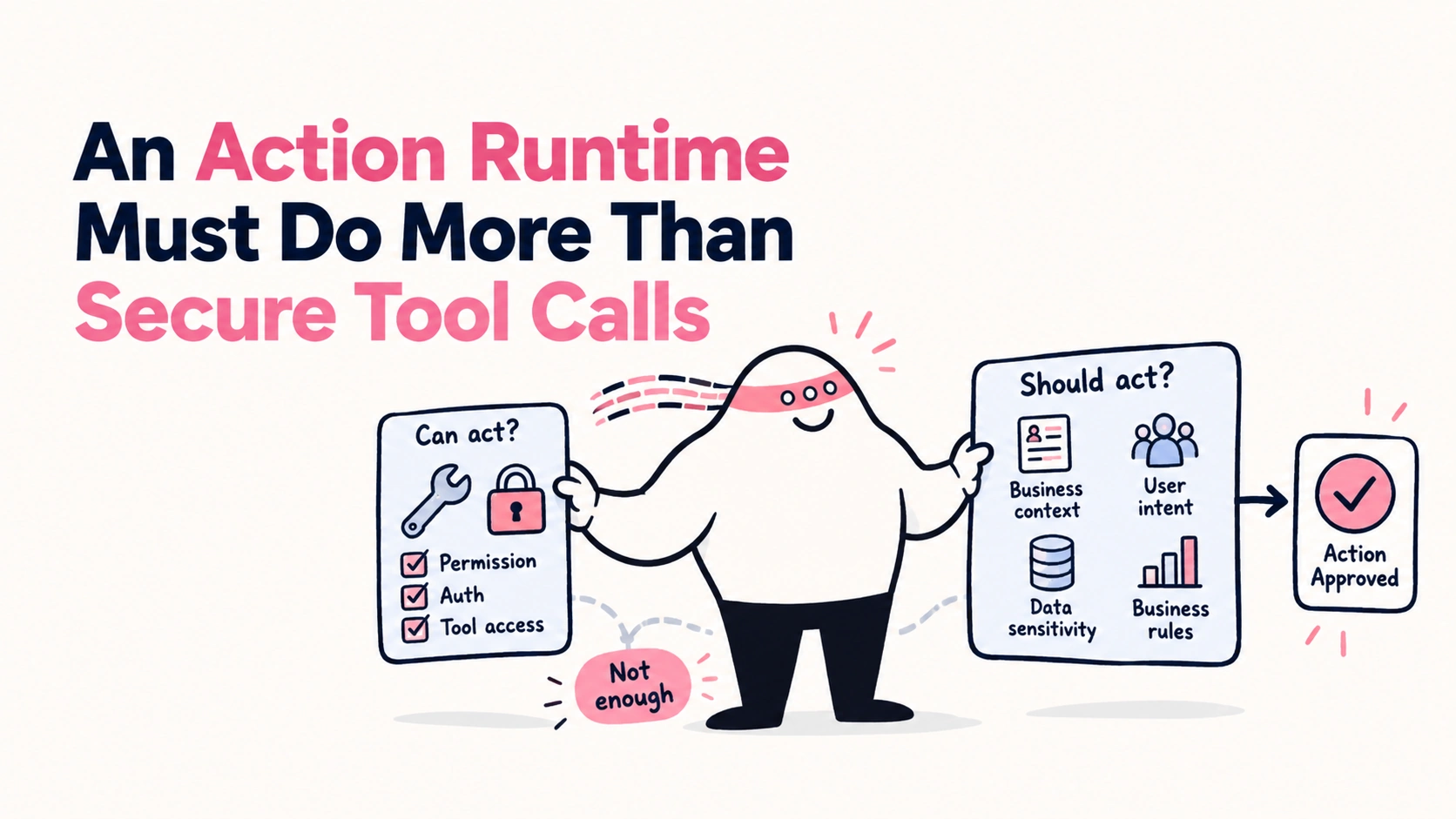
Security decides who may act. Business autonomy also needs evidence, process, and validation of the specific action before it takes effect.
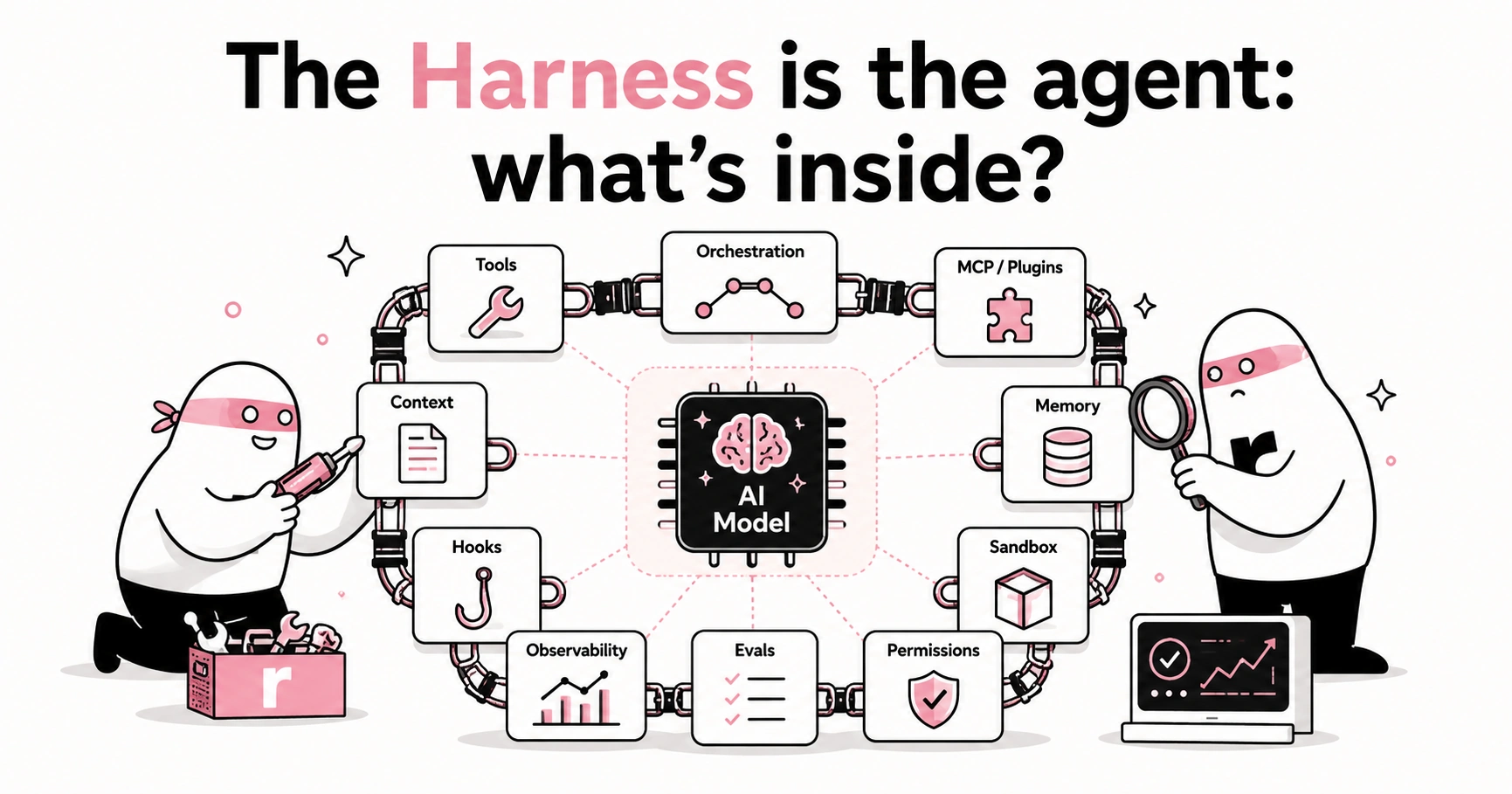
Explore the components of an agent harness, with OpenCode, a research agent, and the eval-driven loop used to build and improve it.
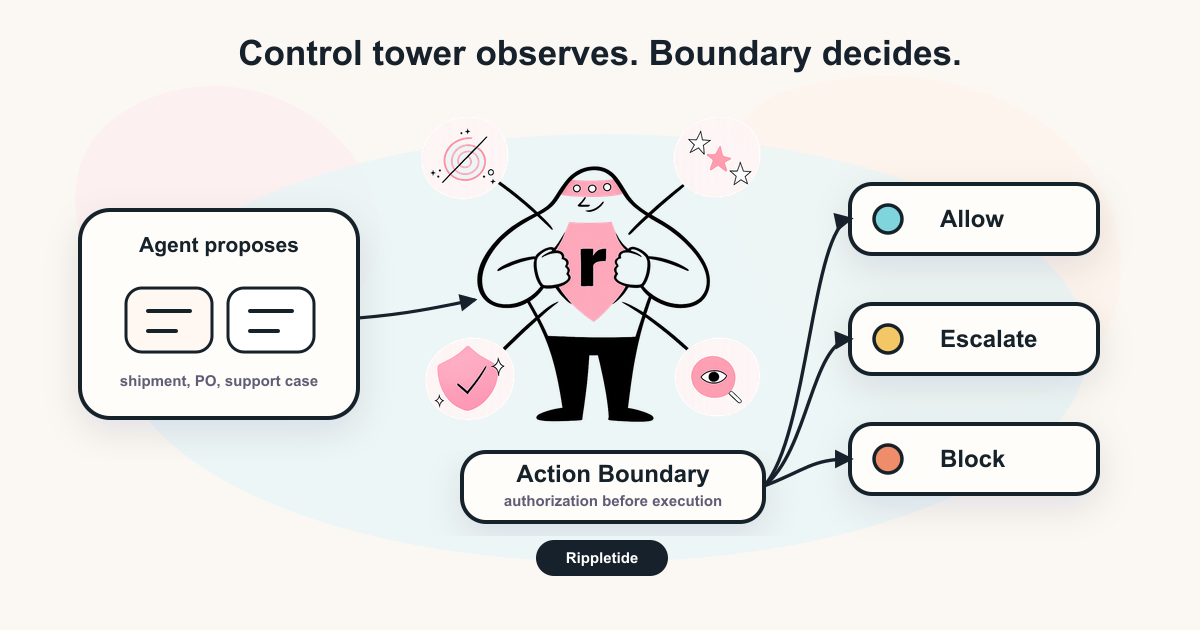
AI control towers show agent fleets. An action boundary adds a decision before execution: allow, escalate, or block, with evidence for each outcome.
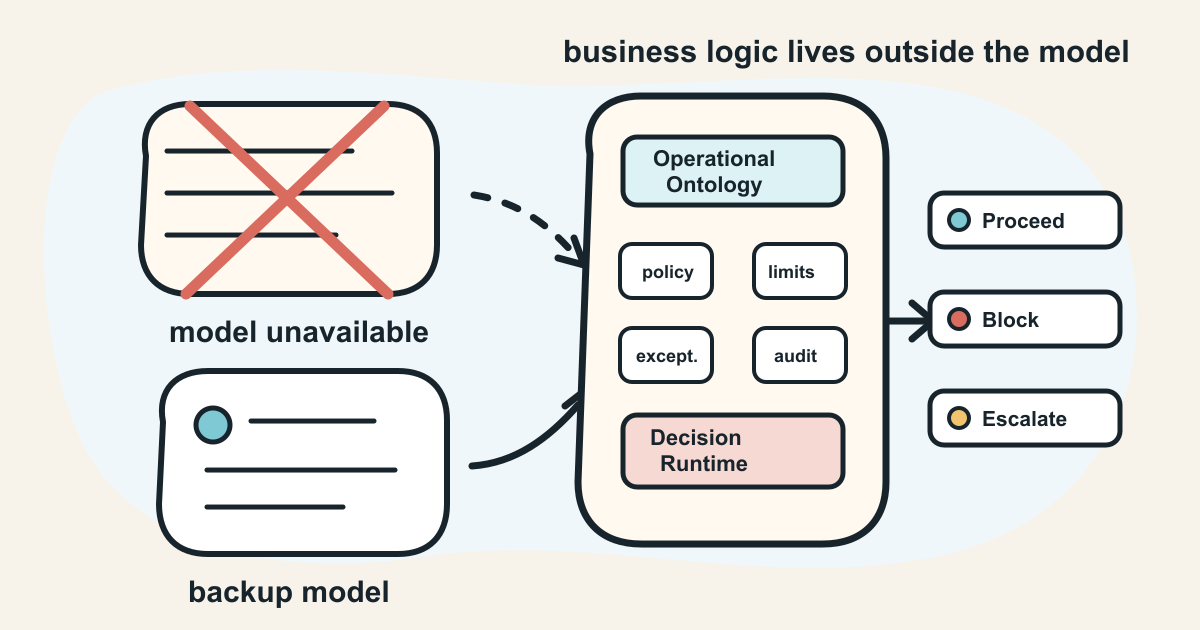
Backup models protect availability, not agent behavior. AI agent continuity requires portable business logic, an Operational Ontology, and a Decision Runtime.

How to approach Palantir-level agent reliability with constraint-first design, runtime enforcement, non-regression, and multi-agent alignment.
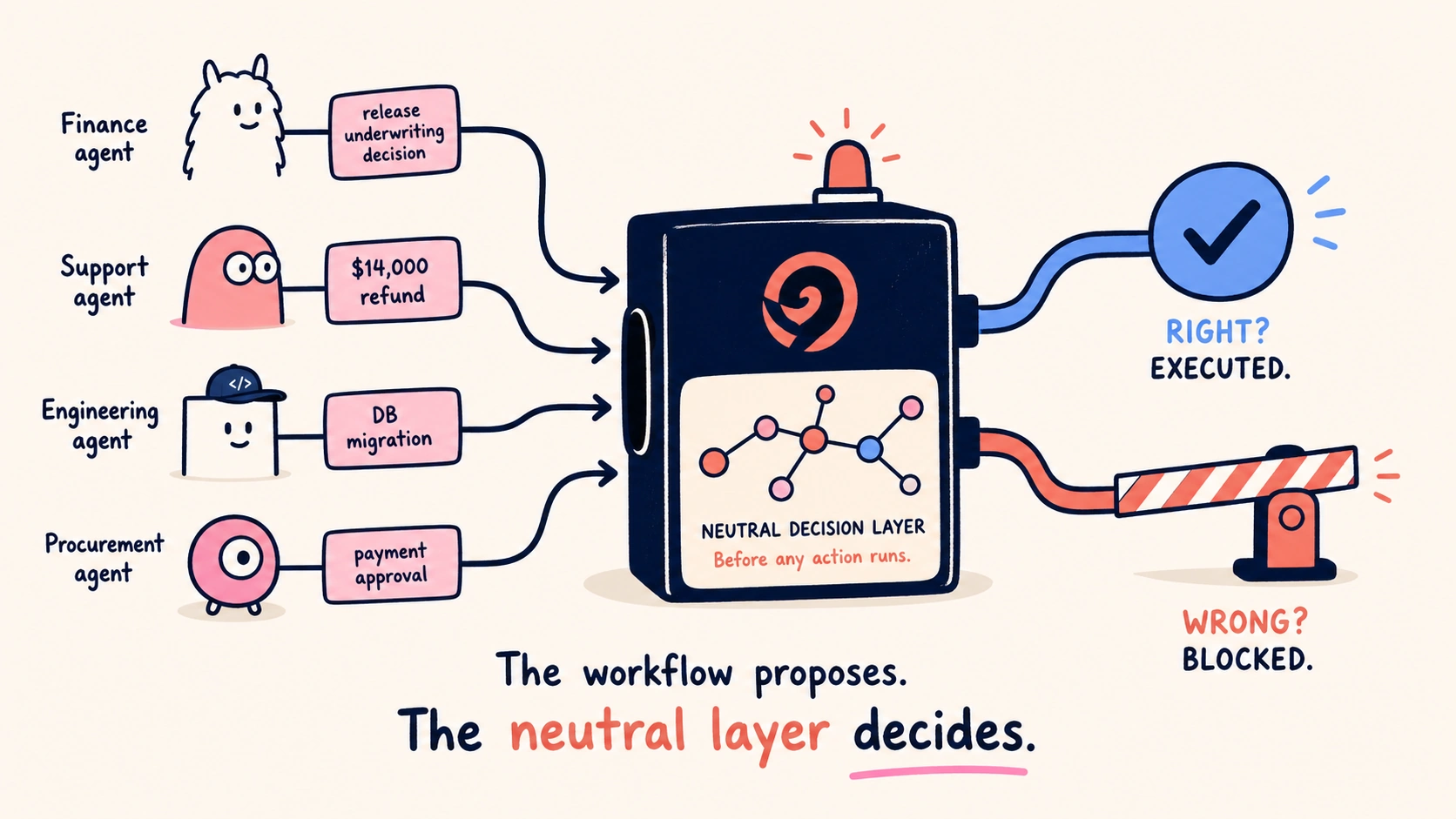
Salesforce Agentforce Operations validates the execution layer, but also shows why enterprises need runtime-agnostic decision enforcement.
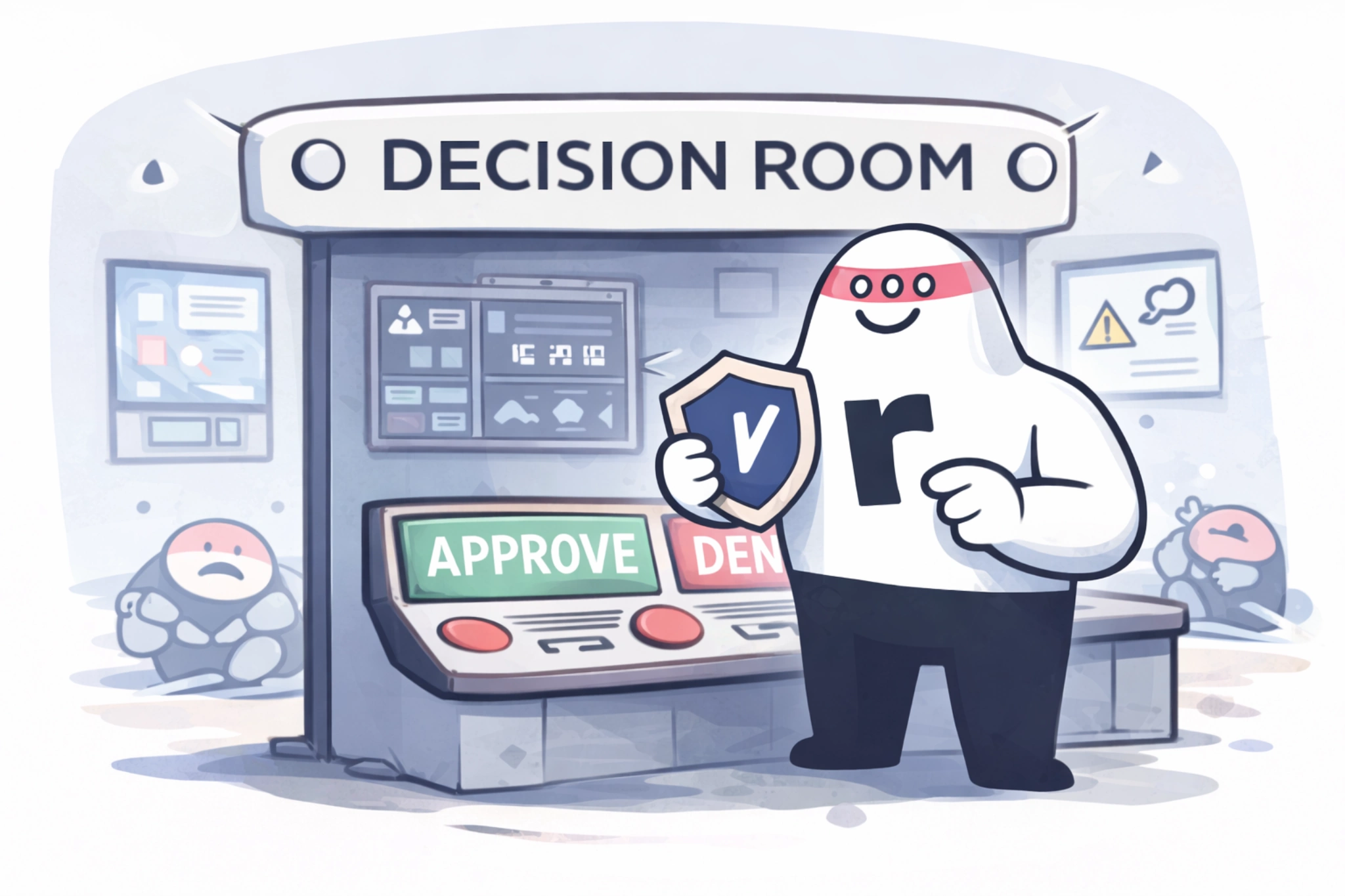
Agent harnesses will keep changing as models improve. The durable enterprise problem is deciding whether an agent is allowed to act.
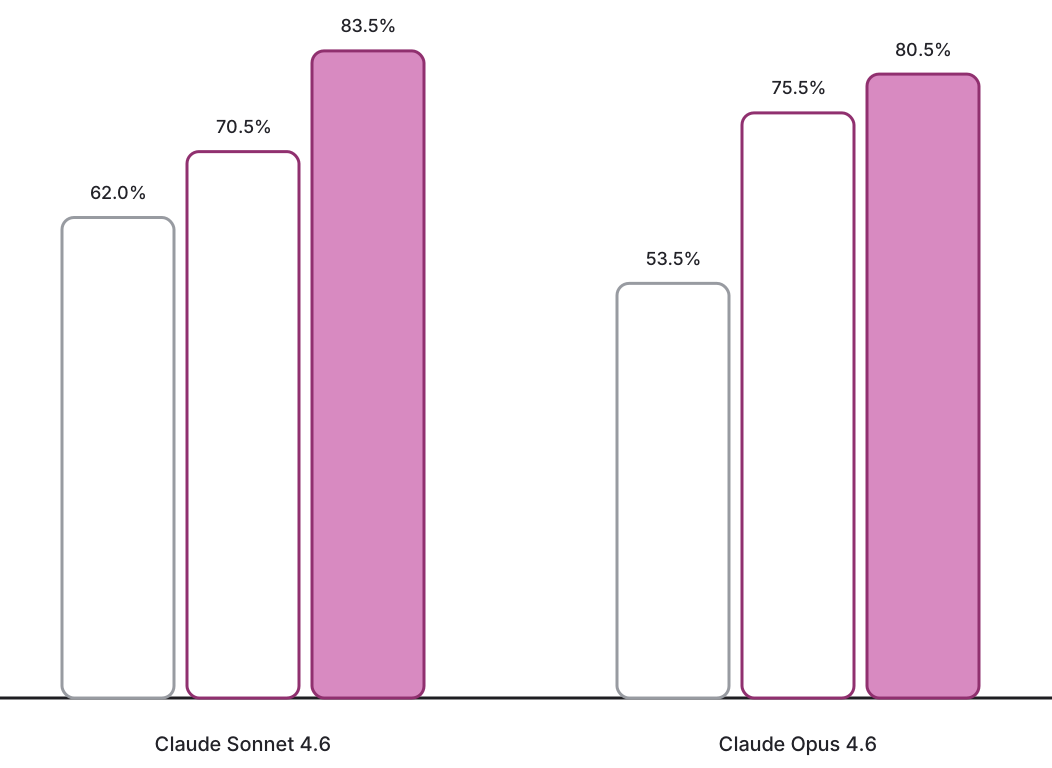
We ran 4,800 evaluations across 8 frontier models. A Context Graph harness improved accuracy and made failures traceable.
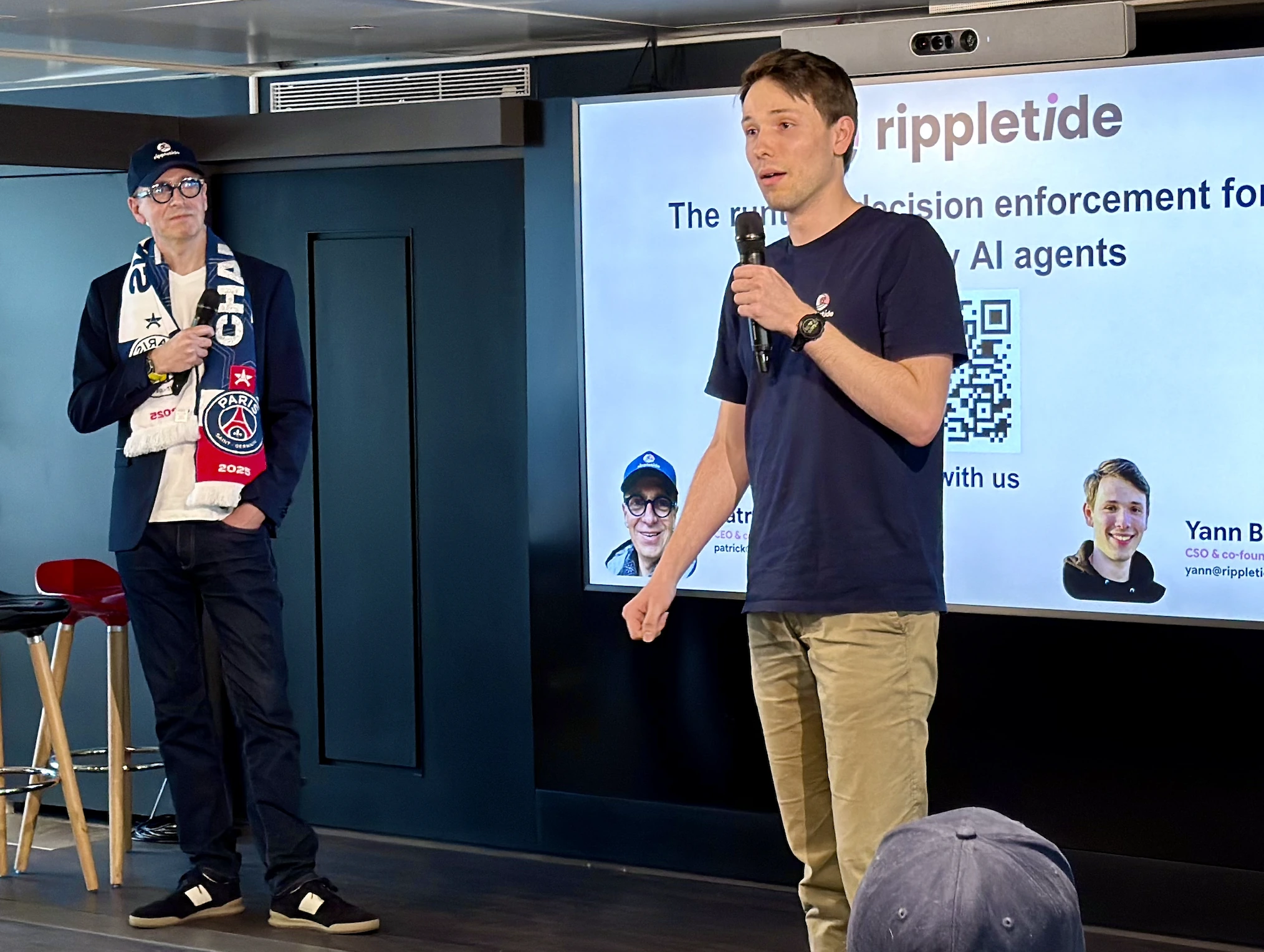
What Rippletide learned from Station F's first F/AI Deal Day, and why it matters for enterprise AI agents and the agentic ecosystem.
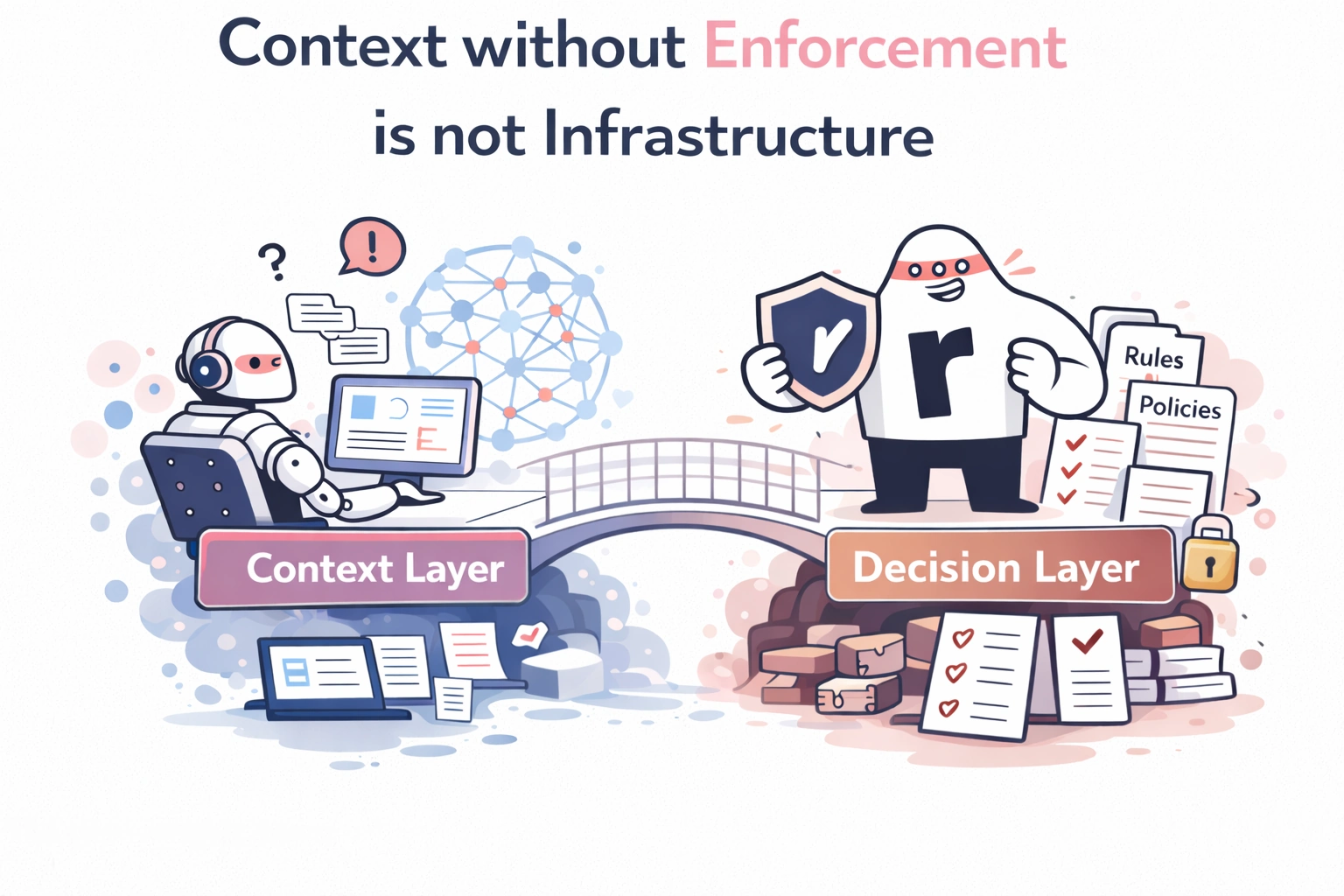
The context layer thesis is right but incomplete. Enterprise AI agents need deterministic decision enforcement, not context enrichment alone.
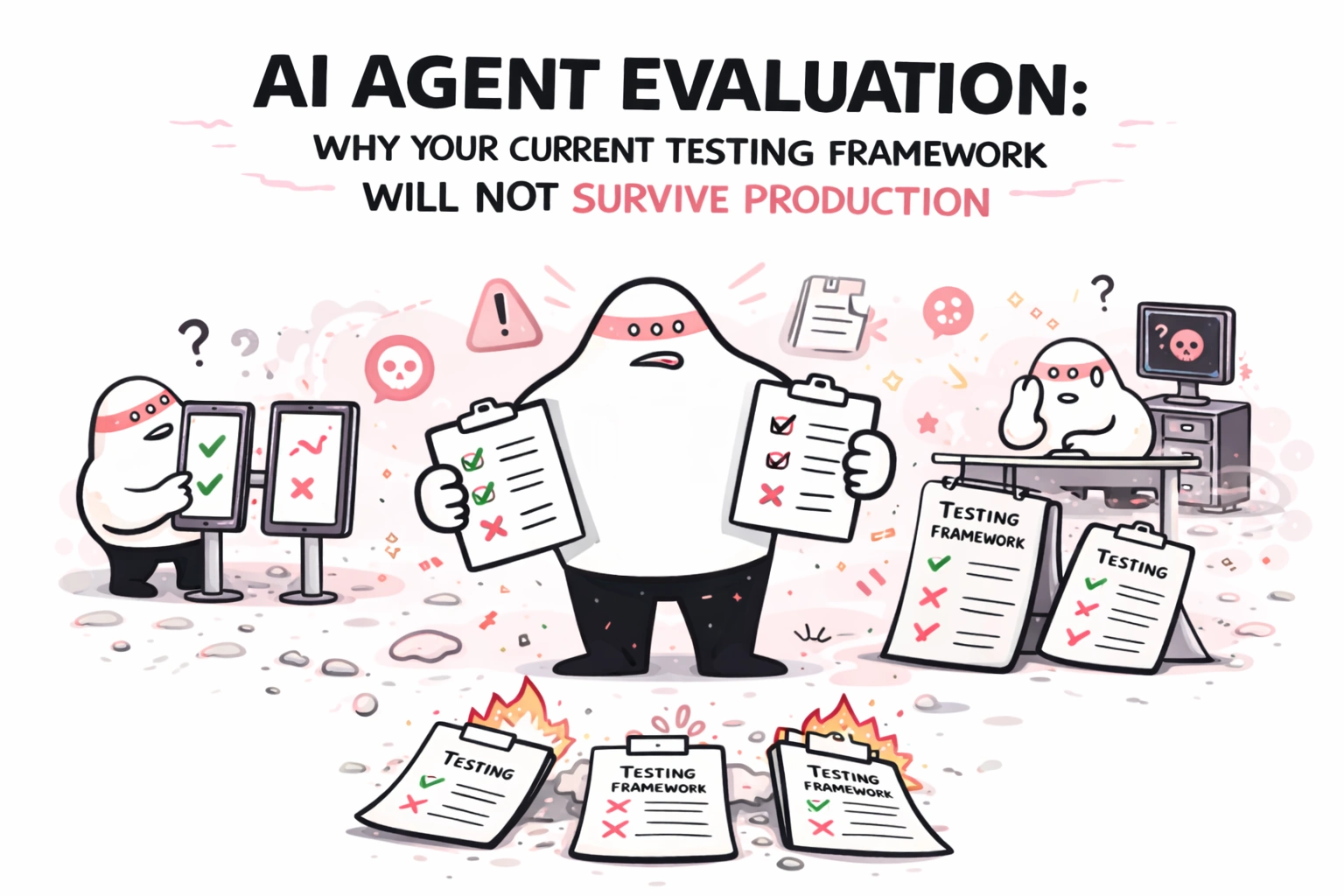
Unit tests and offline benchmarks miss runtime agent failures. Production evaluation must verify decisions, tools, and outcomes before execution.
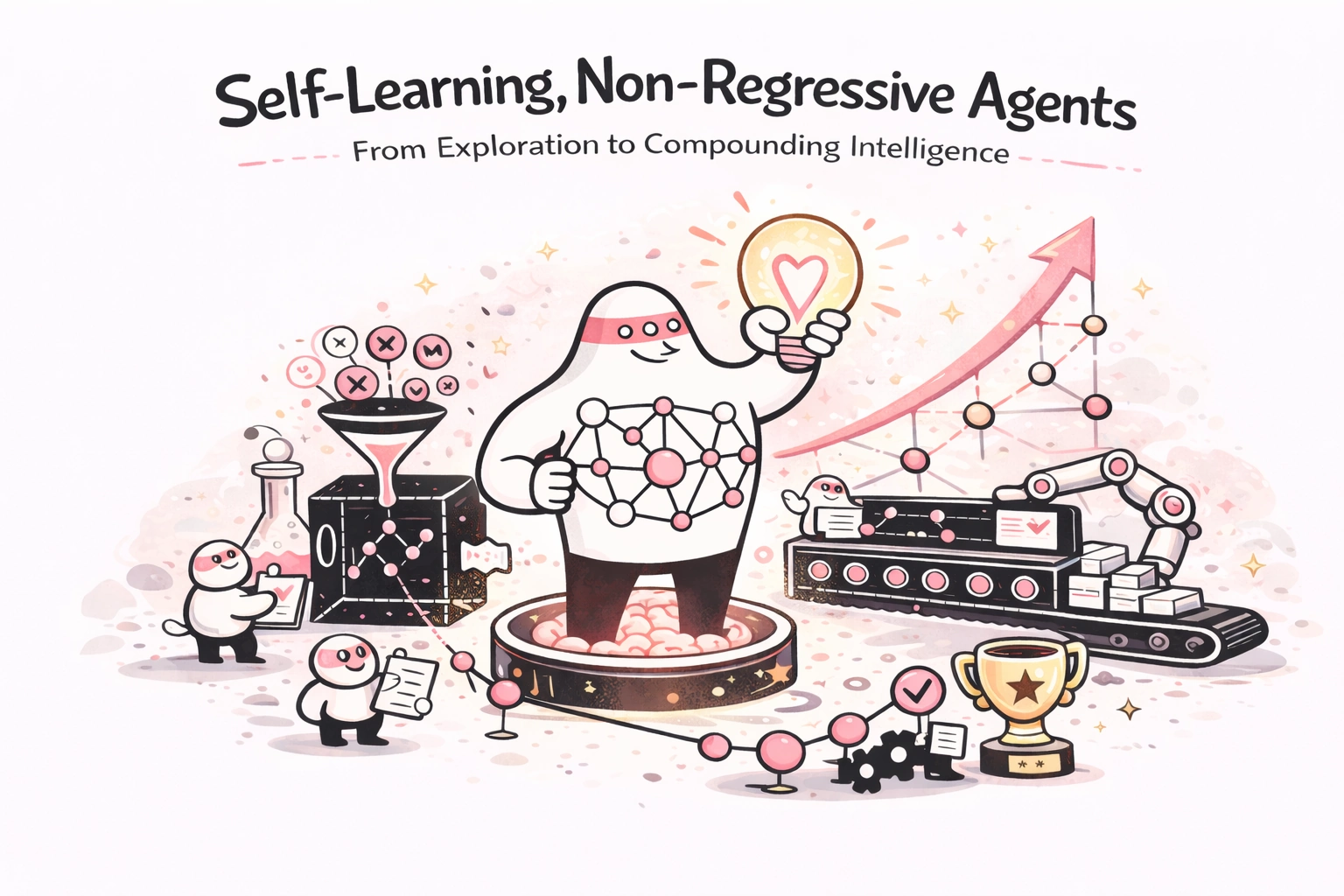
Why agents fail to compound today and how self-learning, non-regressive systems use evaluation and stable trajectories to build durable skill.
Inside Neo4j's inaugural Context Graph Meetup in San Francisco: why it mattered, speaker alignment, and signals for enterprise AI agents.
A governance pattern for OpenAI Codex: memory hierarchy, pre-merge controls, decision traces, and KPIs for engineering leaders.
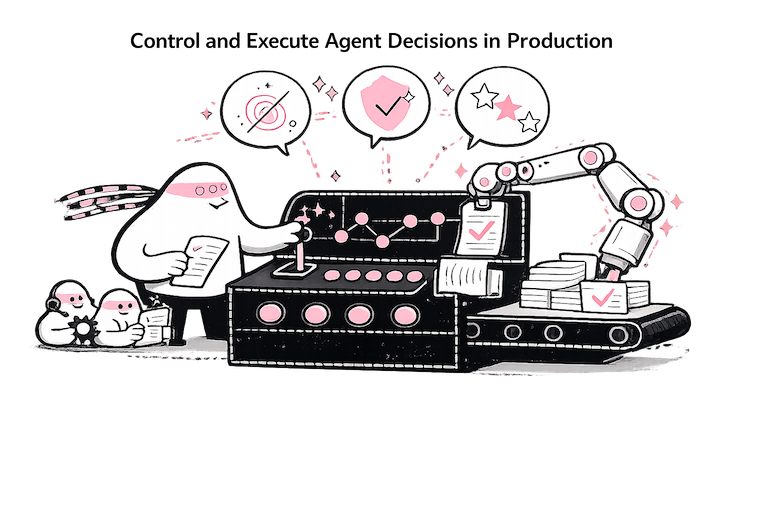
A practical framework for reliable AI agents: evaluate failure modes, structure context with a Context Graph, and enforce decisions at runtime.
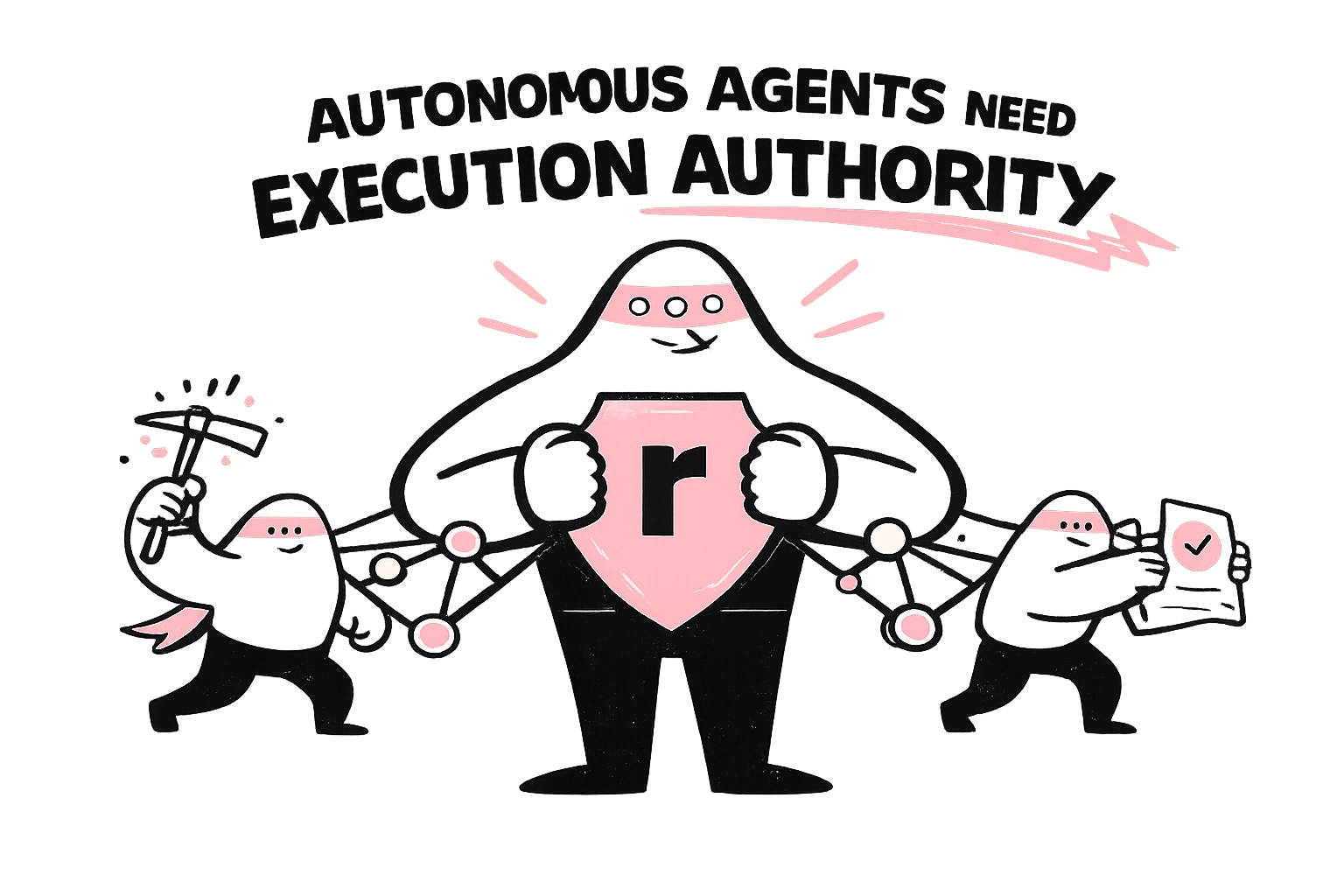
Intelligence without execution control is not infrastructure. Why every AI agent stack needs a deterministic authority layer between intent and action.
We won the OpenAI Codex Hackathon with a continuously running multi-agent system for scientific discovery — here is what we learned.

When you use several Claude Code instances to build a product in parallel, the first thing that breaks is not the code. It is the product itself.
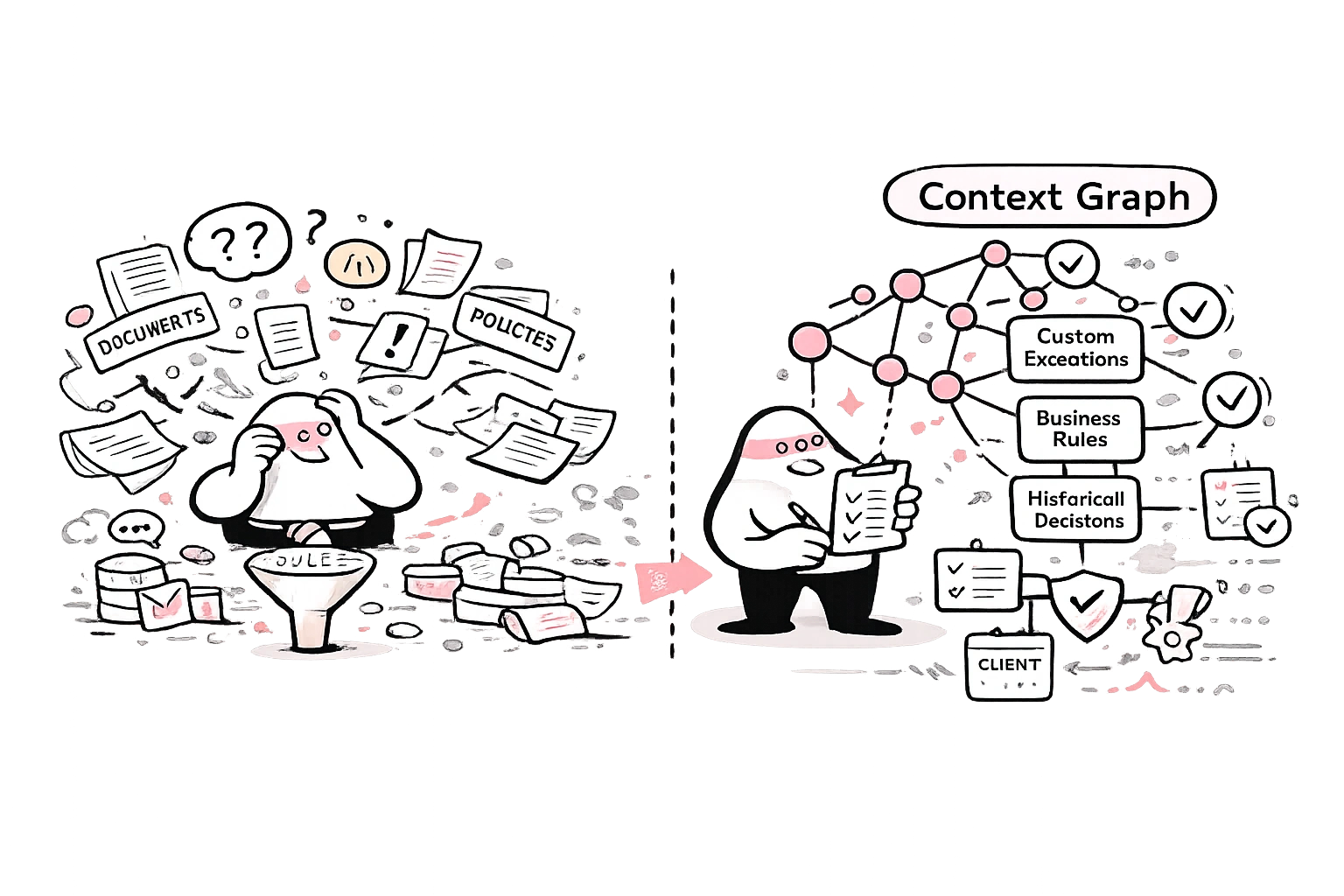
How Context Graphs solve the context failures behind AI agent unreliability by providing applicability, temporal validity, and traceability.
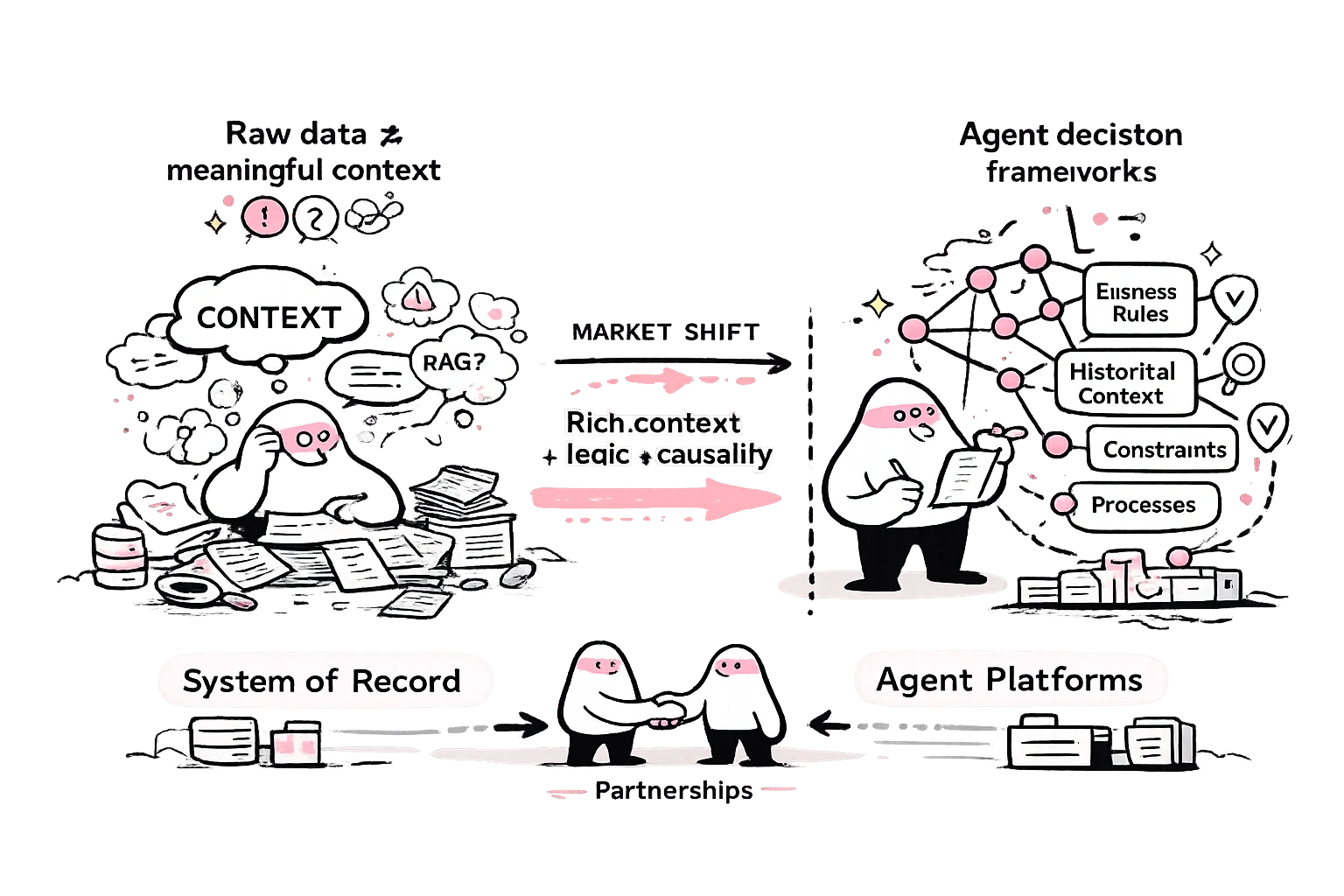
How the trillion-dollar context management market is reshaping enterprise AI strategy and why structured reasoning infrastructure is the key enabler.
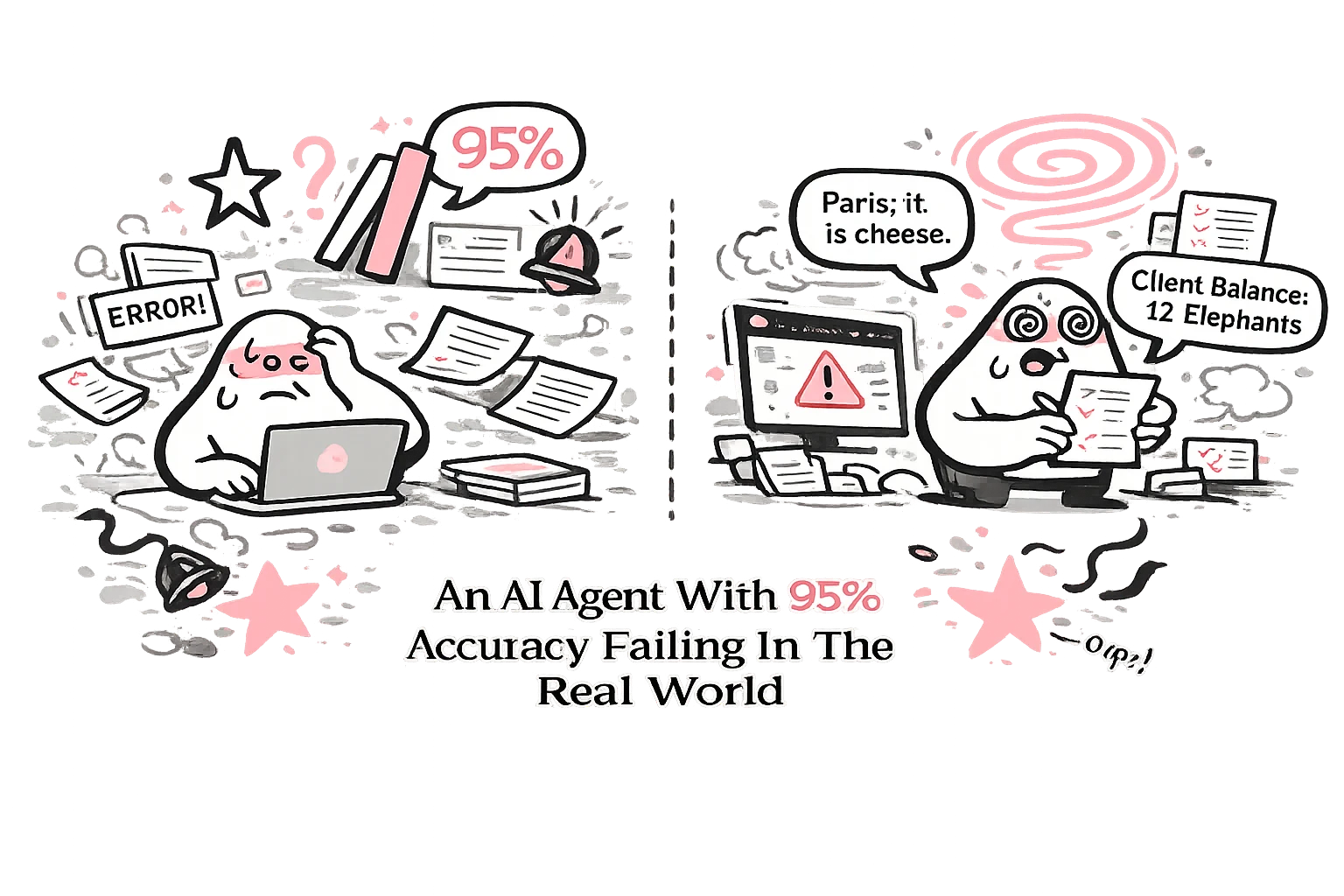
Why 95% accuracy is a trap for AI agents — classic ML metrics fail for agentic systems, and production trust demands a fundamentally different approach.

Highlights from Rippletide's presence at Adopt AI 2025 — presenting the case for structured reasoning in enterprise agent deployment.

How the Rippletide and Blaxel partnership combines verified decision-making with high-performance agent infrastructure for safe, real-time agents.

Why focusing on prompts misses the deeper infrastructure required to make enterprise AI agents reliable, compliant, and production-ready.

How the inability to explain AI agent decisions creates regulatory, legal, and operational risks — and how to architect explainability from the start.

A strategic framework for enterprise leaders to evaluate the AI agent landscape — separating hype from production-ready technology.

The architectural gaps preventing AI agents from achieving enterprise-grade reliability — and the reasoning infrastructure needed to close them.

How Rippletide functions as the core reasoning engine within any enterprise agent operating system — providing verified, auditable decisions at scale.
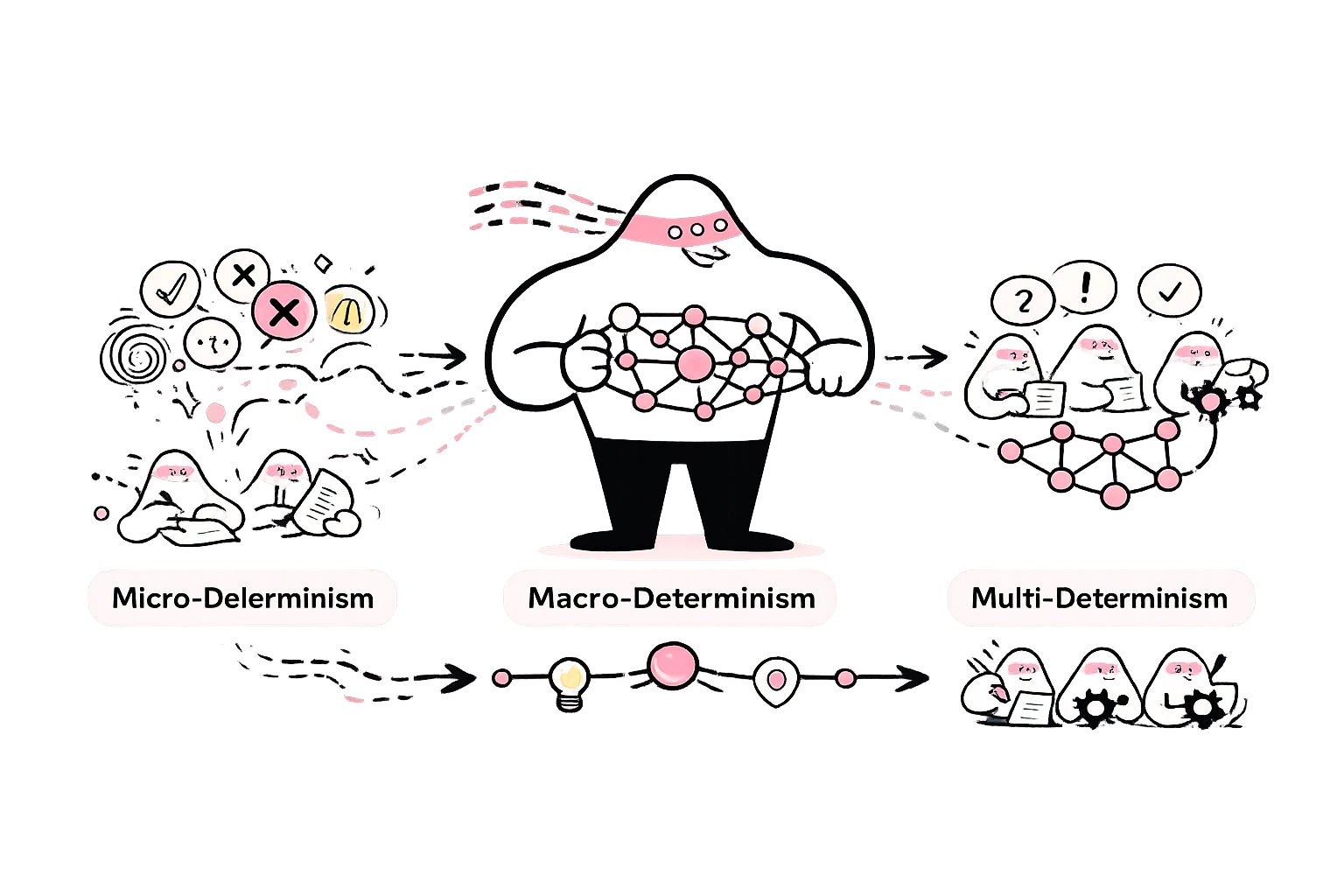
A framework for understanding the three levels of determinism — micro, macro, and multi — required for reliable enterprise AI agent deployment.
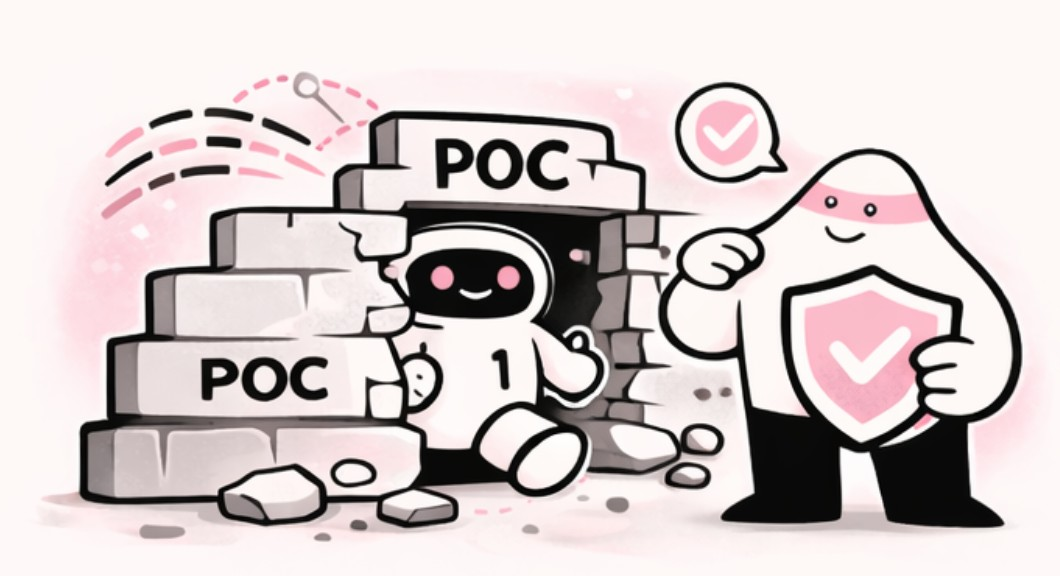
Why most AI agent proofs of concept never reach production and what engineering discipline is required to cross the deployment threshold.

How enterprises can structure evidence, business rules, and decision traces for high-stakes AI agent actions.
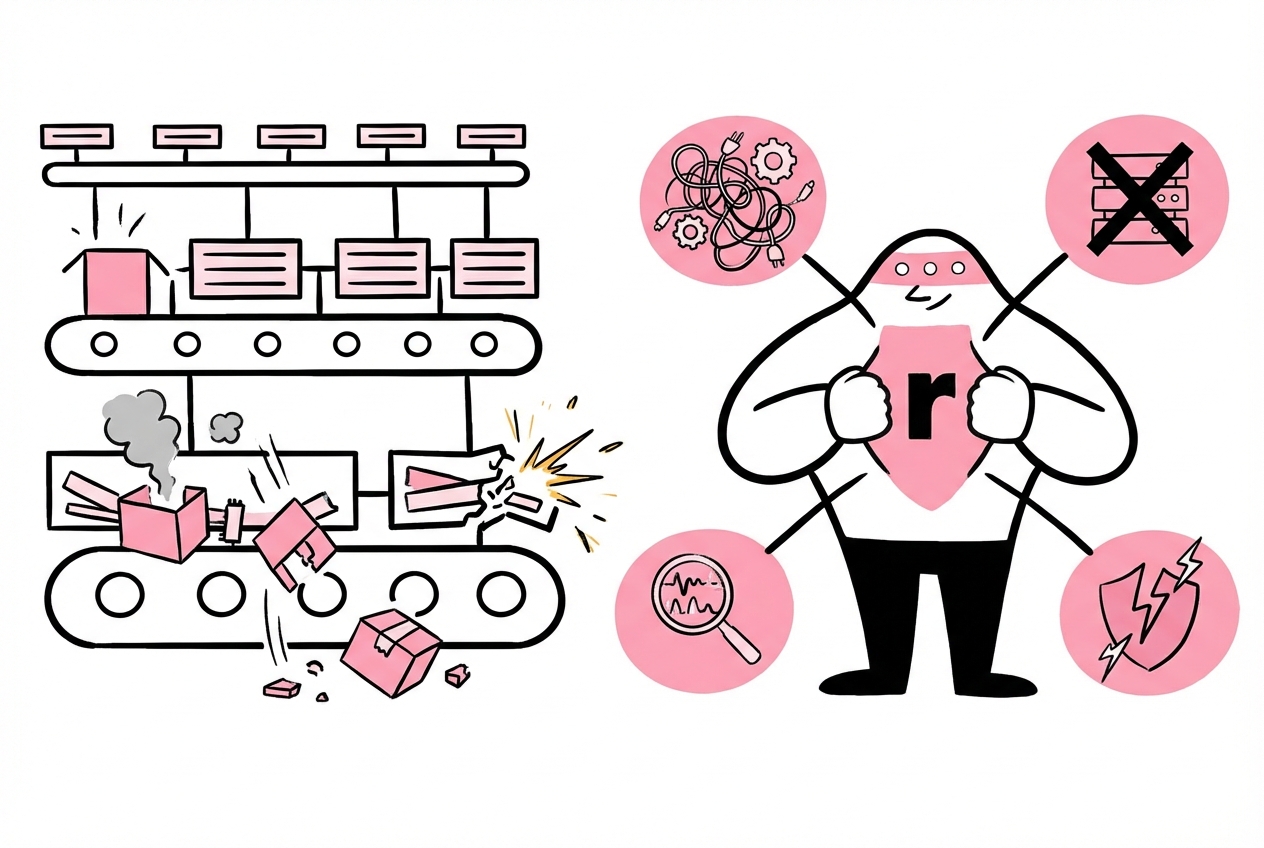
A catalog of real failure modes when AI agents operate in production — from hallucinated commitments to compliance violations.
A practical checklist for teams deploying AI agents — covering hallucination prevention, auditability, and guardrail compliance.
A practical production-readiness checklist for AI agents, covering hallucinations, guardrails, auditability, and real-time monitoring before launch.
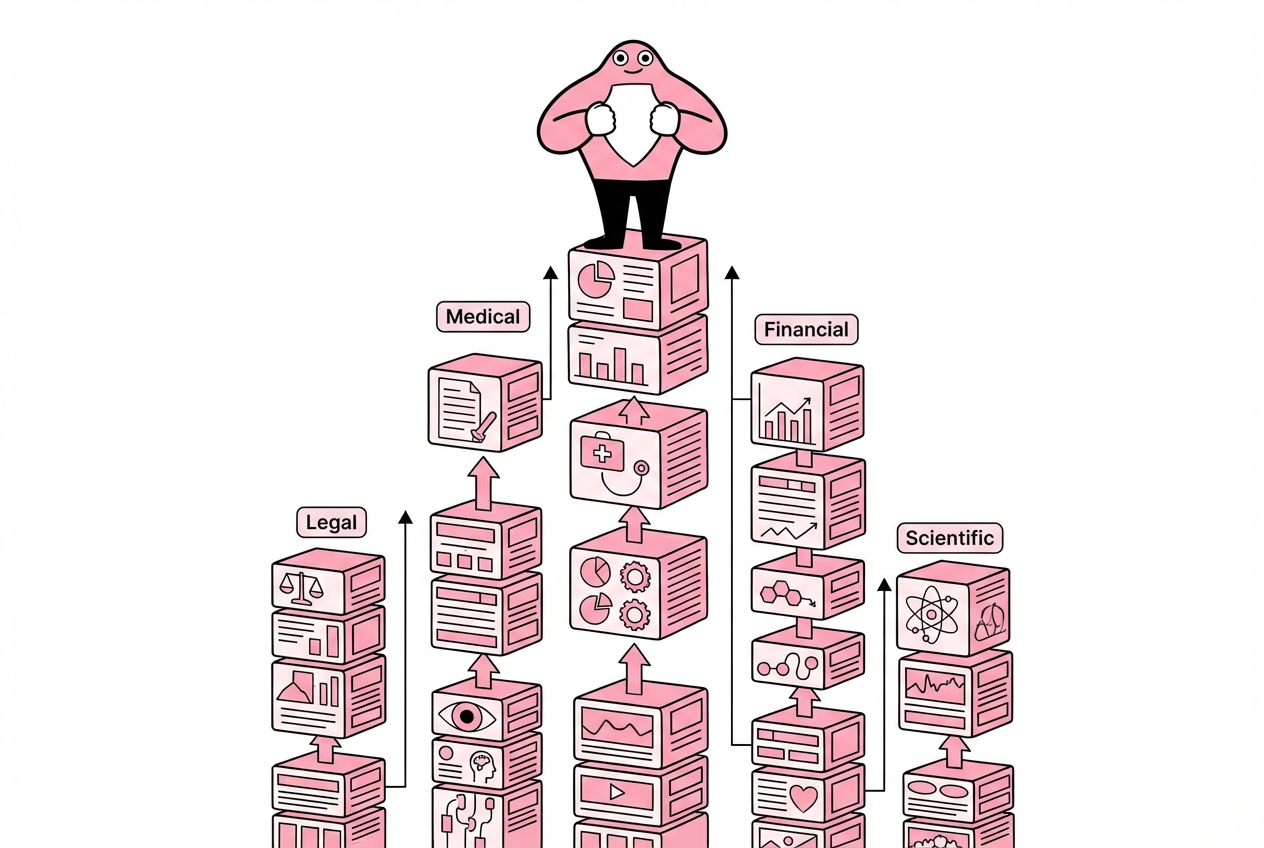
Why general-purpose reasoning falls short for enterprise use cases and how vertical specialization unlocks production-grade AI agent performance.
Practical EU AI Act guidance for enterprise AI teams: requirements, agent deployment impact, and turning compliance into advantage.
Rippletide named among the top five startups at VivaTech 2024 — showcasing trustworthy enterprise AI agents to 150,000 attendees.
No articles match this search. Try another topic.